

Mindset: The New Psychology of Success
by Carol S. Dweck
I went into Mindset expecting another pop-psych book. Instead, I found a framework that changed how I think about learning, failure, and my own potential — and it's backed by decades of real research.
I was in my late twenties before I encountered the idea that abilities aren't fixed. I'd spent my whole life thinking "I'm bad at math" or "I'll never be a good public speaker" — these were facts, not opinions.
Carol Dweck's *Mindset* changed that. Not in a rah-rah motivational way. In a "here's decades of research" way.
---
The Core Dichotomy: Fixed vs Growth
This is the whole book in one sentence:
> **Fixed mindset** believes abilities are static — you're either born with talent or you're not.
> **Growth mindset** believes abilities can be developed through effort, learning, and persistence.
Dweck's research shows it's not about being "positive." It's about how you respond to setbacks.
The scary part? We all have both mindsets, in different domains. You might have a growth mindset about your golf game (you can improve with practice) but a fixed mindset about your intelligence (I'm just not a "math person").
That inconsistency is worth examining.
---
What Actually Changed For Me
1. How I Talk to My Kid
When my daughter brings home a math test with a C, my default used to be: "Don't worry, some people aren't good at math." That's fixed mindset messaging.
Now I say: "What was hard on this test? Let's figure out what to practice."
The difference? The first one tells her she's limited. The second one focuses on process.
Dweck's research with kids is the most convincing part of the book. Children taught a growth mindset show measurable improvement in grades, especially in subjects they previously struggled with. The effect size is real.
2. How I Interpret My Own setbacks
Last month I bombed a presentation. My internal monologue used to be: "I'm terrible at this. Everyone saw through me."
Now: "What preparation would have helped? What can I do differently next time?"
That shift — from judgment to investigation — is the growth mindset in action. And it's profoundly liberating.
---
The Book's Structure (And What's Useful)
Part 1: **The Mindsets** — lays out the research. This is the best part.
Part 2: **The Mindsets in Action** — applies to sports, business, relationships, parenting. Hit-or-miss. The sports examples are great (Michael Jordan famously cut from his high school team, but that's not why he succeeded). The relationships chapter feels like filler.
Part 3: **A New Mindset for Leadership** — good if you manage people. Shows how fixed-mindset leaders create cultures of stagnation. Growth-mindset leaders foster learning.
Skip Part 4 if you're short on time — it's about developing growth mindset in others, which is just more examples.
---
The Criticisms (And Why They Miss the Point)
Critics say Dweck oversimplifies. Or that growth mindset alone won't make you a genius. Or that it's been co-opted by toxic productivity culture.
All fair. But they miss the point.
Mindset isn't a magic pill. It's a **lens**. A lens that determines whether you see challenges as threats or opportunities. That's valuable regardless of your actual talent level.
Yes, you can't become an Olympic sprinter at 40. But with a growth mindset you might become the best 40-year-old sprinter in your city. That's meaningful.
---
Where the Book Falters
**It's repetitive.** You'll read the same studies 4-5 times in different chapters. That's because it's written for people who only read one chapter. Skim aggressively.
**The neuroscience explanations are hand-wavy.** Dweck talks about brain plasticity but doesn't really explain it. That's fine — this isn't a neuroscience textbook.
**It doesn't address systemic barriers.** Yes, effort matters. But telling someone in poverty to just adopt a growth mindset is victim-blaming. Dweck acknowledges this in later editions but not deeply enough.
---
Should You Read It?
**Yes, if:**
**Skip if:**
---
My Implementation (What I Actually Do)
Small shifts, big effects over time.
---
**Rating: 4.5/5 stars**
It loses half a star for repetitiveness and the relationship chapter. But as a foundational text on how we think about ability? Unbeatable.
The book has a famous quote that's been memed to death: *"In a growth mindset, challenges are exciting rather than intimidating."*
It's true. I've felt it. That shift from "this is threatening" to "this is interesting" is everything.
---
*If you read one psychology book this year, make it this one. But actually apply it — otherwise it's just another self-help book gathering dust.*
Tags
Enjoying this summary?
Get our free reading guide with 10 life-changing books delivered to your inbox.
You Might Also Like
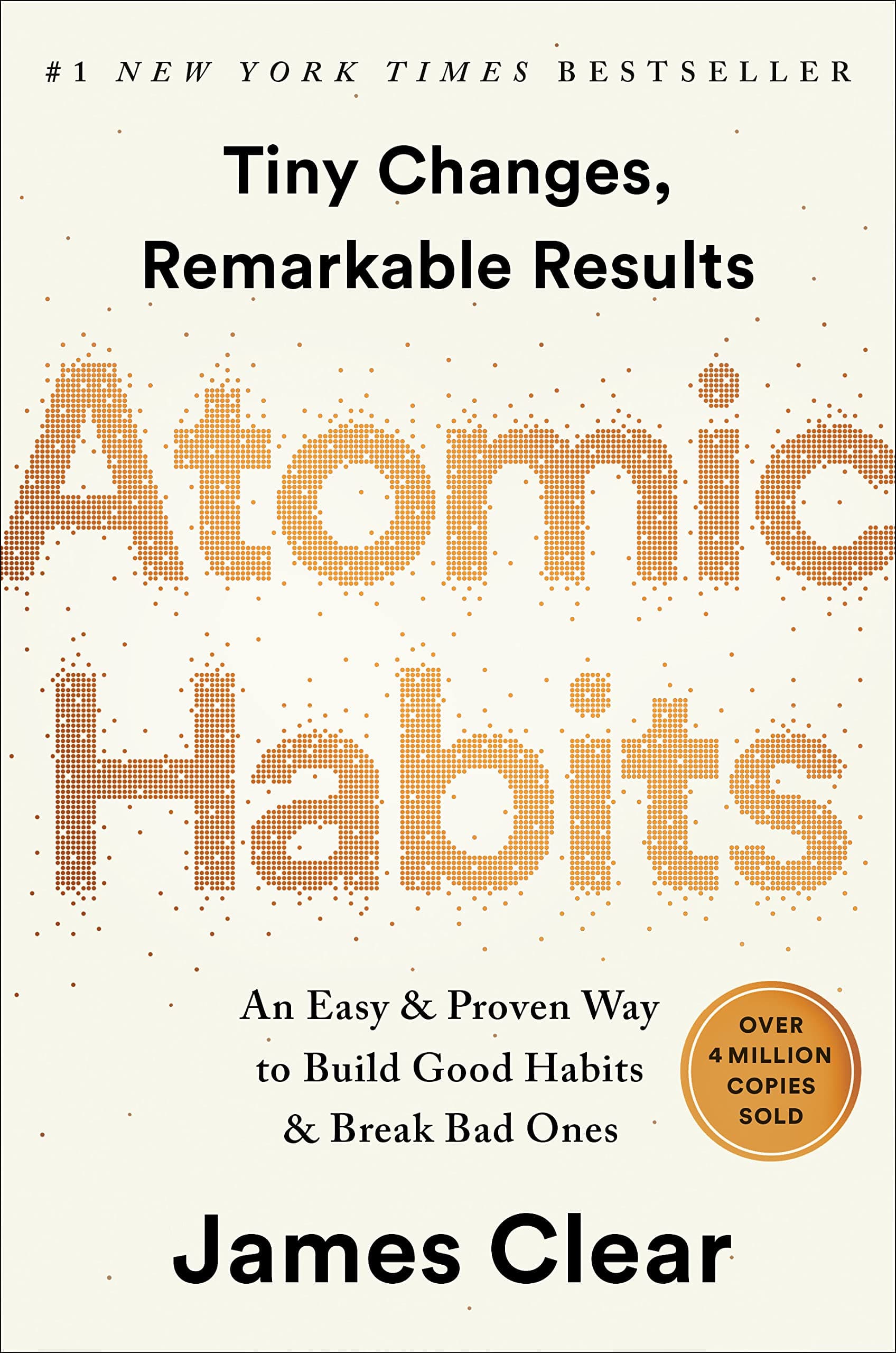
Atomic Habits
by James Clear
An Easy & Proven Way to Build Good Habits & Break Bad Ones. Learn how tiny changes can lead to remarkable results.

The Power of Habit
by Charles Duhigg
The Power of Habit explores the science behind why habits exist and how they can be transformed, revealing that at the core of every habit lies a neurological loop consisting of a cue, routine, and reward. Duhigg presents compelling case studies from individuals, successful companies, and social movements to demonstrate that understanding this habit loop is the key to making lasting personal and organizational changes. The book argues that while we cannot eliminate bad habits, we can replace them with new ones by identifying the triggers and rewards while modifying the routine.