
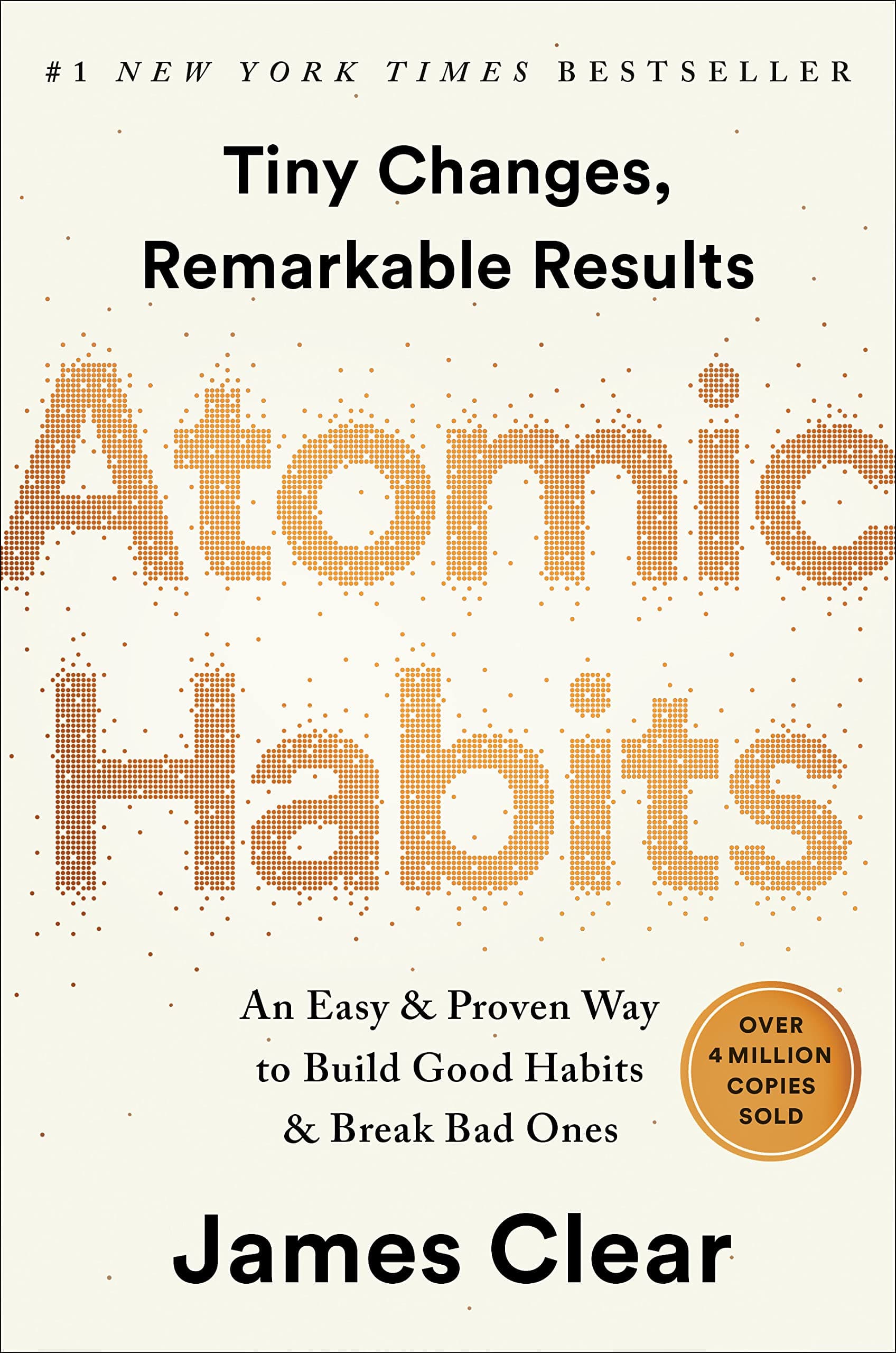
Atomic Habits
by James Clear
An Easy & Proven Way to Build Good Habits & Break Bad Ones. Learn how tiny changes can lead to remarkable results.
Key Takeaways
**Atomic Habits** by James Clear provides a practical framework for improving 1% every day. The核心思想是: habits compound over time, and small improvements accumulate into remarkable results.
The Four Laws of Behavior Change
Why 1% Better Matters
This exponential growth demonstrates why consistent small improvements lead to extraordinary outcomes.
Chapter Breakdown
Part 1: The Fundamentals
Clear establishes why habits matter and introduces the concept of **identity-based habits**. Instead of focusing on goals ("I want to run a marathon"), focus on identity ("I am a runner").
Part 2: The Four Laws
Each law addresses one stage of the habit loop: cue, craving, response, reward. By manipulating these elements, you can make any habit easier or harder.
Part 3: Advanced Tactics
Clear introduces concepts like habit stacking, temptation bundling, and environment design to help you implement the system in real life.
Who Should Read This?
Similar Books
Tags
Enjoying this summary?
Get our free reading guide with 10 life-changing books delivered to your inbox.
You Might Also Like

Mindset: The New Psychology of Success
by Carol S. Dweck
I went into Mindset expecting another pop-psych book. Instead, I found a framework that changed how I think about learning, failure, and my own potential — and it's backed by decades of real research.

The Power of Habit
by Charles Duhigg
The Power of Habit explores the science behind why habits exist and how they can be transformed, revealing that at the core of every habit lies a neurological loop consisting of a cue, routine, and reward. Duhigg presents compelling case studies from individuals, successful companies, and social movements to demonstrate that understanding this habit loop is the key to making lasting personal and organizational changes. The book argues that while we cannot eliminate bad habits, we can replace them with new ones by identifying the triggers and rewards while modifying the routine.